
Electric vs. Propane Forklifts: Which Is Better for Your Business?
How the two power types compare on indoor air quality, duty cycle, refueling versus charging, and long-run operating cost.
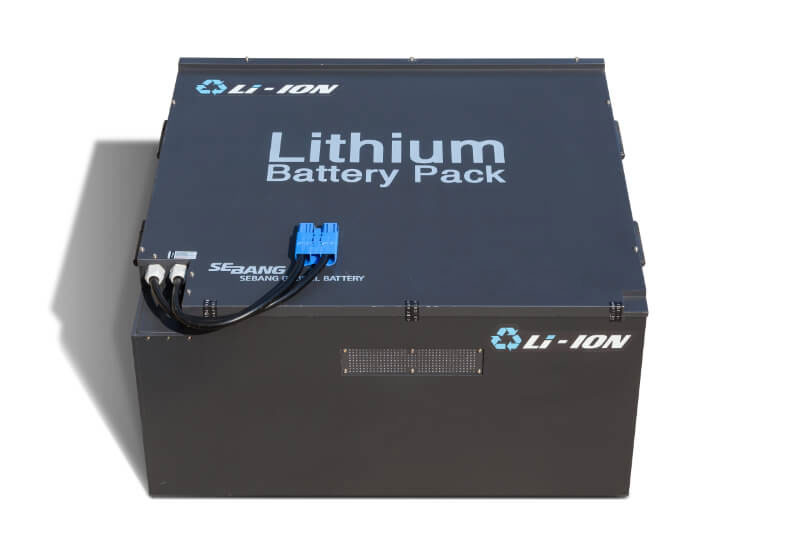
Electric forklifts are usually the better fit for indoor work, clean environments, and operations that can charge between shifts. Propane still makes sense where trucks work outdoors or across mixed surfaces, run continuously with minimal downtime windows, or where charging infrastructure is impractical. The decision is driven by your operating environment and duty cycle, not by brand.
Start with the operating environment
Indoor operations — food, pharmaceutical, cold storage, and general warehousing — favor electric because there are no engine emissions to ventilate and noise levels are lower.
Outdoor yards, gravel, ramps, and mixed indoor/outdoor routes are where internal combustion trucks continue to earn their place, particularly with pneumatic tires.
Match power type to duty cycle
A single-shift operation with a predictable break schedule is an easy electric conversion. Multi-shift operations need a charging plan: larger battery capacity, opportunity charging, or lithium-ion chemistry that tolerates partial charges.
Propane avoids the charging question entirely — a cylinder swap takes minutes — which is why continuous operations without downtime windows often stay on LP.
Operating cost differences
Because energy pricing varies by facility and region, the honest answer is that this comparison should be run with your own utility and fuel numbers rather than a national average.
- Electric trucks have fewer moving parts in the drivetrain, which generally reduces routine engine maintenance
- Propane requires fuel handling, cylinder storage, and engine service intervals
- Electric requires charger infrastructure and eventual battery replacement
- Energy cost per hour depends heavily on local electricity and propane pricing
Converting an existing propane fleet to electric
Fleet conversions rarely happen all at once. A common approach is to replace propane units with electric as each reaches the end of its economic life, starting with the trucks that spend the most time indoors.
Before the first unit arrives, confirm charger locations, electrical capacity, and where batteries will be charged or swapped.
Frequently asked questions
Can an electric forklift handle outdoor work?
Many can, within limits. Surface condition, grade, and weather exposure matter more than capacity. We review the route and duty cycle before recommending electric for outdoor use.
Do electric forklifts lift as much as propane?
Electric models are available across a wide capacity range, including higher-capacity units that replace internal combustion trucks in indoor applications. The right comparison is configuration to configuration, not power type to power type.
What does an electric conversion require on site?
At minimum, a charging location with adequate electrical capacity, and a plan for where charging happens in the shift schedule. We walk the facility with you as part of the evaluation.
Not sure which power type fits your floor?
Evolution Forklift can help evaluate your application, capacity requirements, operating environment, and equipment options.
About Evolution Forklift
Evolution Forklift provides forklift sales, rentals, service, parts, and material handling solutions for businesses throughout New England. We help warehouses, manufacturers, contractors, municipalities, distribution centers, automotive facilities, and other operations evaluate, select, rent, service, and maintain their equipment.
Learn More About Evolution ForkliftFollow Evolution Forklift on Google
Get more forklift buying guides, equipment advice, service tips, and material handling insights from Evolution Forklift in Google Search.